More travellers now want a safari that does good as well as feeling good. Sustainable tourism safaris in Uganda do exactly that: your permits help pay for the rangers who protect gorillas, your lodge nights create local jobs, and your community visits put money straight into village hands.
This guide explains how sustainable tourism safaris in Uganda work, where your money goes, which experiences give most back to local people and how to plan a low-impact trip with a Ugandan-owned operator.
Quick answer
A sustainable safari in Uganda supports conservation and local communities while keeping your impact low. Under Uganda's revenue sharing scheme, communities next to the parks receive 20% of park entry fees, plus US$10 from every gorilla permit sold in Bwindi and Mgahinga. Choose eco-lodges, local guides, community walks and small private groups to make the biggest difference.
What Makes Sustainable Tourism Safaris in Uganda Different?
Sustainable tourism means travelling in a way that protects nature, respects local culture and leaves real benefits with the people who live near the parks. On sustainable tourism safaris in Uganda, that comes down to a few simple choices:
| Choice | Why it matters |
|---|---|
| Park permits and entry fees | Fund rangers, research and community projects |
| Local guides and drivers | Keep income in Uganda and share local knowledge |
| Eco-lodges and community camps | Use less water and energy and employ local staff |
| Community experiences | Pay villages directly for their time and culture |
| Small private groups | Mean less noise, less waste and less pressure on wildlife |
How Your Gorilla Permit Helps Local Communities
Uganda has one of Africa's best-known tourism revenue sharing programmes, and it is the backbone of sustainable tourism safaris in Uganda. It is run by the Uganda Wildlife Authority (UWA). The Uganda Wildlife Act requires that 20% of park entry fees go to communities living next to national parks, and in Bwindi and Mgahinga a further US$10 from every gorilla permit is added to the fund.
On sustainable tourism safaris in Uganda, that money pays for projects chosen by local people, such as schools, health centres, clean water, livestock and fences that keep wildlife away from crops. When farmers benefit from the park, they have good reason to protect it, and poaching falls.
So when you book one of our sustainable tourism safaris in Uganda, part of what you pay goes straight to the villages on the forest edge. Learn more in our guide to gorilla trekking permits in Uganda.
Community Experiences That Give Back
The best sustainable tourism safaris in Uganda include time with local people, not just wildlife. These experiences pay communities directly and give you a deeper picture of Uganda:
- The Batwa Trail and Batwa experiences: the Batwa, the forest's original people, guide visitors in Mgahinga and around Bwindi and share their history, songs and forest skills.
- Bigodi Wetland Sanctuary: a community-run swamp walk next to Kibale Forest, where fees support local schools and projects. See our Bigodi Wetland Sanctuary guide.
- Village walks in Buhoma and Ruhija: visit healers, tea and banana farmers, schools and craft groups on the edge of Bwindi.
- Coffee farm visits: pick, roast and taste coffee with farming families on our Uganda coffee tours.
- Cooking with a family: learn to make local dishes in a home on the shores of Lake Bunyonyi.

Choosing Eco-Friendly Lodges
Where you sleep makes a big difference on sustainable tourism safaris in Uganda. A good eco-lodge in Uganda will usually:
- Run on solar power and collect rainwater
- Hire and train most of its staff from nearby villages
- Buy food from local farmers
- Cut single-use plastic, for example by refilling water bottles
- Support a local school, clinic or conservation project
Some camps are owned by the community itself, such as the Buhoma Community Rest Camp at the edge of Bwindi, where profits go to local projects. For sustainable tourism safaris in Uganda, our guide to eco-lodges in Uganda lists good options in each park.
Plan a safari that gives back
Tell us your dates, budget and interests. We will plan one of our sustainable tourism safaris in Uganda with eco-lodges, local guides and community experiences, and send a free quote within 24 hours.
Low-Impact Ways to Explore Uganda
Many of the best moments on sustainable tourism safaris in Uganda happen on foot or on the water, not in a vehicle:
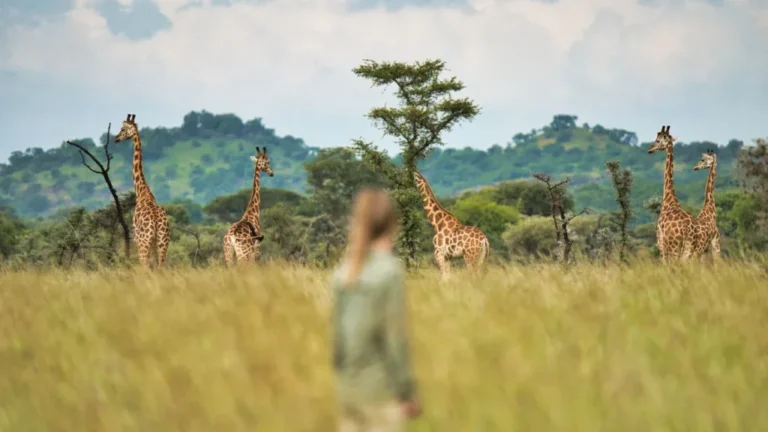
- Walking safaris among zebras and impalas in Lake Mburo National Park
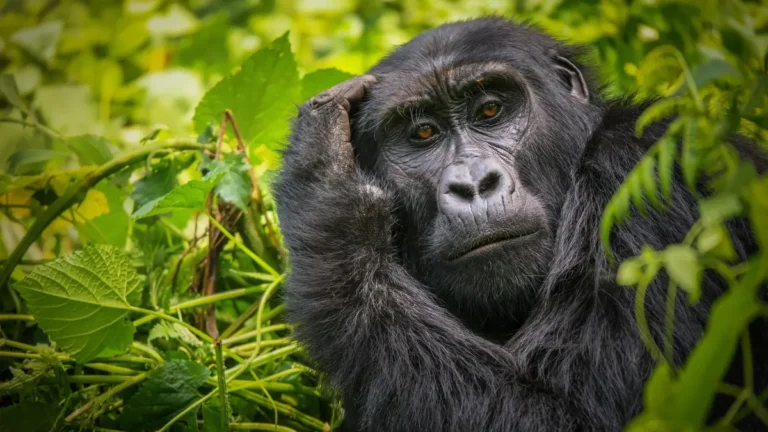
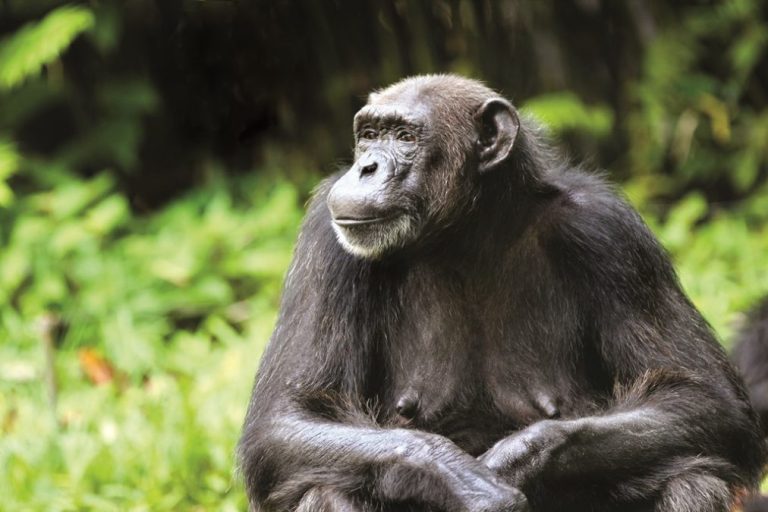
- Gorilla and chimpanzee treks, where small groups and a one-hour limit protect the animals, a core part of sustainable tourism safaris in Uganda
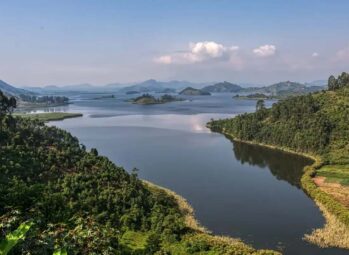
- Canoe trips between the islands of Lake Bunyonyi
- Boat cruises on the Kazinga Channel and the Nile
- Nature walks and hikes in Kibale, Bwindi and the Rwenzori foothills
Birding With Local Guides
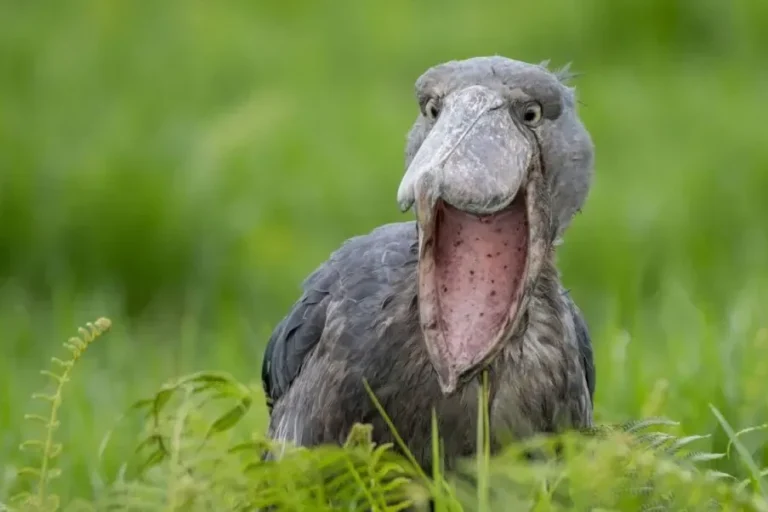
Uganda has more than 1,000 bird species, and birding is one of the lowest-impact parts of sustainable tourism safaris in Uganda. At Mabamba Swamp, local fishermen paddle you through the papyrus in wooden canoes to look for the shoebill, earning an income from protecting the bird instead of hunting in the wetland. Read our full guide to birding in Uganda.

Conservation Success Stories
Sustainable tourism safaris in Uganda are making a real difference. Two examples stand out:
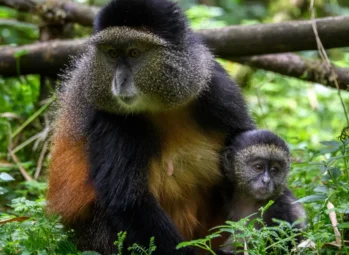
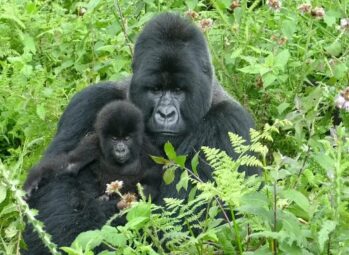
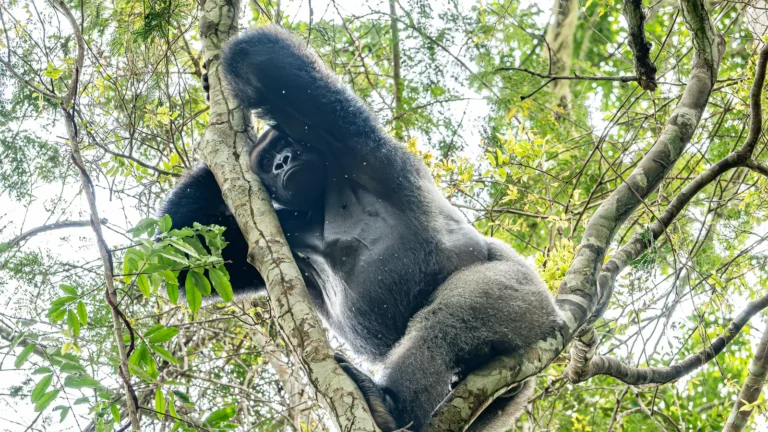
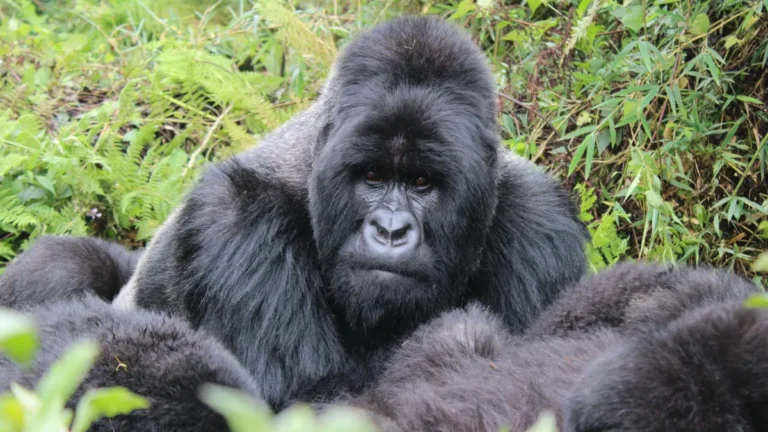
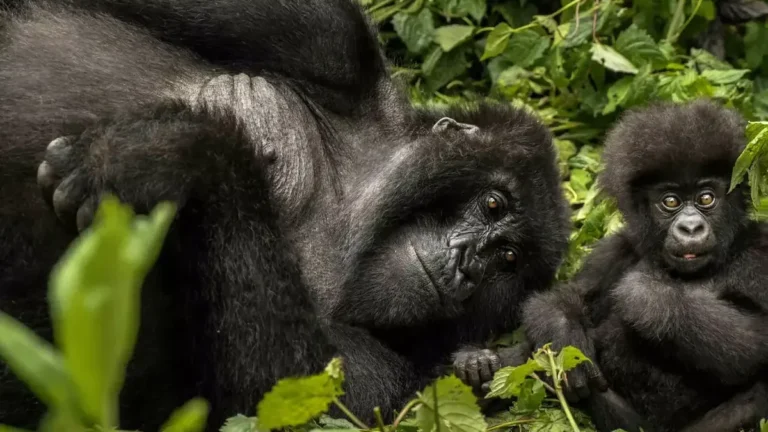
- Mountain gorillas: Bwindi and Mgahinga protect around half of the world's mountain gorillas, and the global population has grown to more than 1,000, helped by tourism income and community support.
- Rhinos: rhinos were wiped out in Uganda by the early 1980s. Today a growing herd lives at Ziwa Rhino Sanctuary, where visitors track them on foot. Read more about rhinos in Uganda.
How to Travel Responsibly on Safari
Small habits add up. Follow these tips to get the most from sustainable tourism safaris in Uganda:
- Bring a reusable water bottle and say no to plastic bags, which are banned in Uganda.
- Keep at least 7 metres from gorillas and chimps, and never trek if you are sick.
- Hire a porter on forest treks: it is a vital local income and makes the hike easier.
- Buy crafts directly from community groups and cooperatives.
- Ask before taking photos of people.
- Tip guides, rangers and porters fairly.
- Stay on trails and follow your guide's instructions.
How Tulambule Supports Sustainable Travel
Tulambule Uganda Safaris is a 100% Ugandan-owned company, founded in 2014 and based in Kampala. Our name comes from the Luganda word for "let us explore", and our travel philosophy is built on authentic, local travel.
- Local team: our driver-guides, office staff and partners are Ugandan.
- Local suppliers: we book Ugandan-run lodges, camps and community experiences.
- Private, small groups: less pressure on parks and more time with guides, the way sustainable tourism safaris in Uganda should run.
- Domestic tourism: we encourage Ugandans to explore their own country, as explained in our domestic tourism guide.
Every one of our sustainable tourism safaris in Uganda can be built around eco-lodges and community visits. Just tell us what matters to you.
Sustainable Tourism Safaris in Uganda to Book
These private sustainable tourism safaris in Uganda include community experiences, walking activities or small-group travel. Each can be adjusted to add more eco-friendly options.
Plan Your Sustainable Safari in Uganda
Tell us your dates and interests. We will design one of our sustainable tourism safaris in Uganda with local guides, eco-lodges and community experiences, and send a free quote within 24 hours.
Request a QuoteChat on WhatsApp
UTB Licence UTB/RTT/TT/2025/101877 • Accredited by UWA • Member of AUTO • Rated 4.9 on TripAdvisor