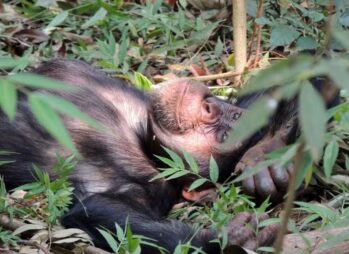
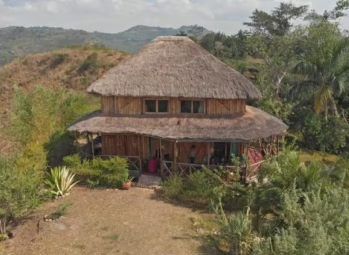
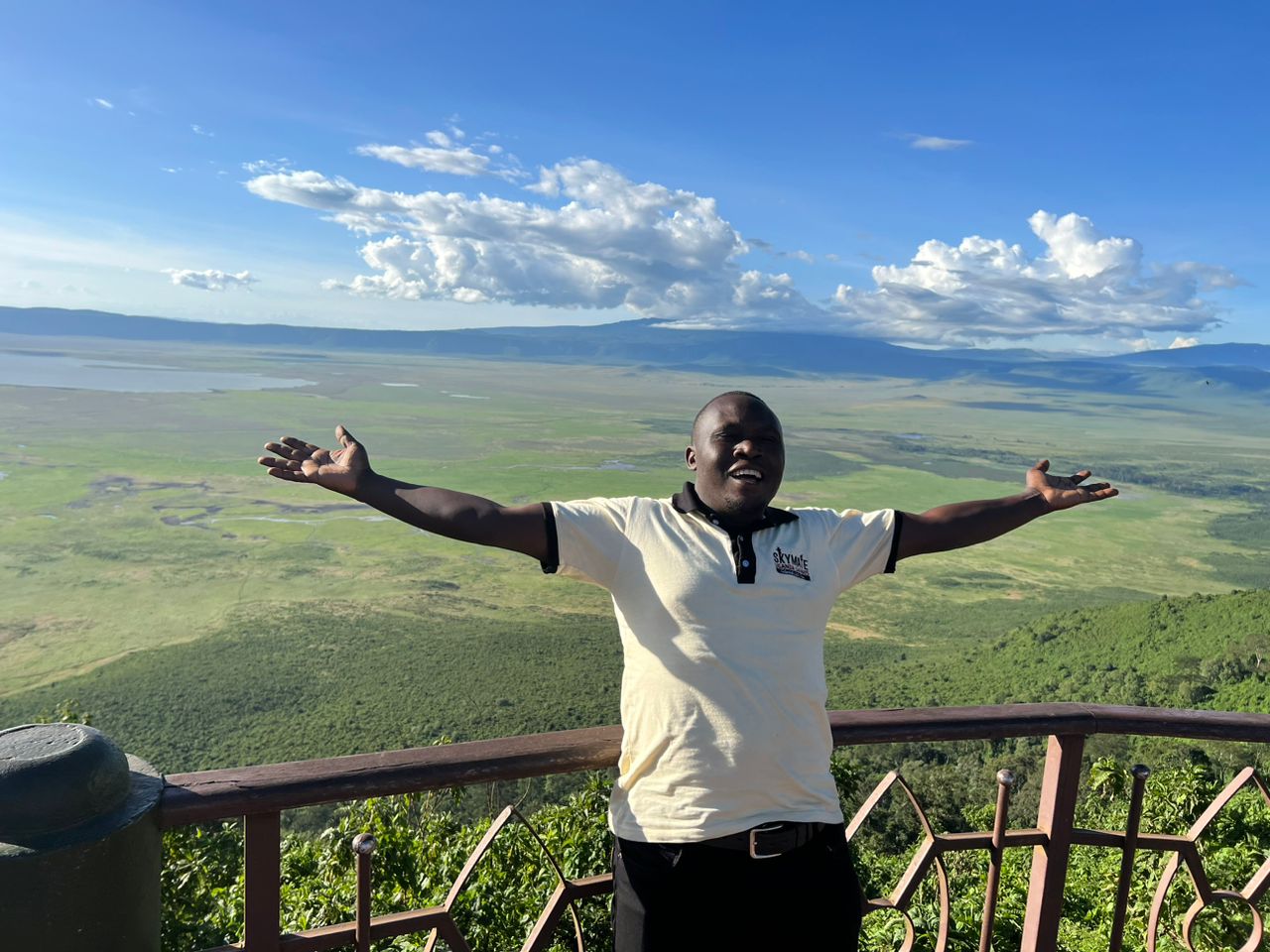
Gorilla trekking Uganda is one of the most powerful wildlife experiences on Earth. Deep in the rainforests of Bwindi and Mgahinga, you hike with expert rangers to find a family of wild mountain gorillas, then spend an hour just a few metres away as they feed, play and rest.
Uganda is home to almost half of the world's mountain gorillas, and it has more habituated gorilla families than any other country. This guide covers everything you need to plan gorilla trekking in Uganda: where to go, when to travel, what happens on the day, what it costs in total, the best tours, family travel and where to stay.
Quick answer: Gorilla trekking in Uganda takes place in Bwindi Impenetrable and Mgahinga Gorilla national parks. A permit costs US$800 (US$600 in April, May and November), treks last 2 to 8 hours, you spend one hour with the gorillas, and the minimum age is 15.
Why Choose Gorilla Trekking Uganda Over Other Countries?
More gorilla families. Bwindi alone has more than 20 habituated gorilla families, spread across four trekking sectors. That means more permits, more trekking dates and smaller crowds on each trail.
Excellent value. A Uganda gorilla permit costs US$800, about half the price of Rwanda's US$1,500 permit, for the same one-hour encounter with the same mountain gorillas. Accommodation ranges from community guesthouses to world-class eco-lodges.
Very high success rate. UWA trackers set out at dawn to locate each family before trekkers arrive. Sighting rates are around 98%, so it is extremely rare to miss the gorillas.
Easy to combine. After your gorilla trekking Uganda adventure, you can track chimpanzees in Kibale Forest, see tree-climbing lions in Queen Elizabeth National Park, or relax on Lake Bunyonyi, all within a few hours' drive.
Real conservation impact. Your permit fee funds ranger patrols, gorilla health monitoring and community projects around the parks. Responsible tourism has helped the mountain gorilla population grow to more than 1,000 individuals.
Where to Go Gorilla Trekking in Uganda
Uganda has two gorilla trekking parks, both in the far southwest of the country.
Bwindi Impenetrable National Park
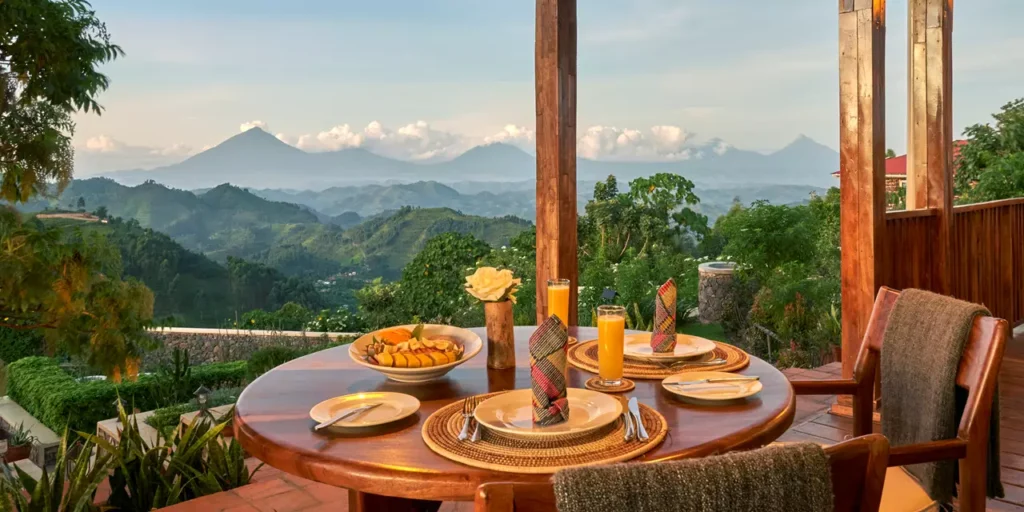
Bwindi is a UNESCO World Heritage Site and the capital of gorilla trekking Uganda. Its ancient rainforest covers steep ridges and deep valleys, and it is home to more than 20 habituated gorilla families across four sectors:
- Buhoma (north): the most accessible sector, with gentler trails and the widest choice of lodges. Ideal for first-time trekkers.
- Ruhija (east): higher and cooler, with fewer visitors and some of the best forest birding in Africa.
- Rushaga (south): the sector with the most gorilla families, and the home of the Gorilla Habituation Experience.
- Nkuringo (southwest): steep and demanding, with spectacular views of the Virunga volcanoes.
Each permit is issued for one sector, and the sectors are several hours' drive apart, so always book your lodge close to your sector. Compare them in our guide to the Bwindi gorilla sectors compared, or meet each family in our list of gorilla families in Bwindi and Mgahinga.
Mgahinga Gorilla National Park
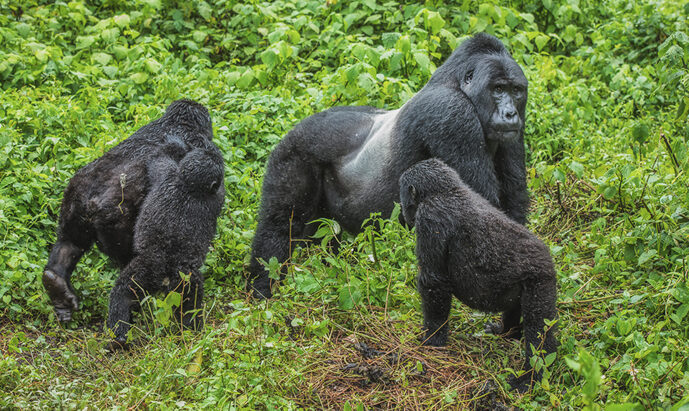
Mgahinga Gorilla National Park is smaller and quieter, set on the slopes of the Virunga volcanoes where Uganda meets Rwanda and the DR Congo. It has one habituated family, the Nyakagezi group, known for its calm, tolerant silverbacks.
Mgahinga also offers golden monkey tracking, volcano hikes and the Batwa cultural trail, making it a rewarding two or three day stop on a gorilla trekking Uganda safari.
Bwindi vs Mgahinga at a Glance
| Feature | Bwindi | Mgahinga |
|---|---|---|
| Habituated gorilla families | 20+ | 1 (Nyakagezi) |
| Trekking difficulty | Easy to challenging, by sector | Moderate |
| Visitor numbers | Higher, spread across four sectors | Lower |
| Scenery | Dense ancient rainforest | Volcanoes, bamboo forest |
| Other activities | Birding, Batwa experience, forest walks | Golden monkeys, volcano hikes, Batwa trail |
| Best for | Most travellers, wider permit choice | Quieter, scenic trips |
Gorilla Trekking Uganda Permits
Every trekker needs a permit from the Uganda Wildlife Authority. The price is the same in Bwindi and Mgahinga:
| Visitor category | Standard price | Low season (April, May, November) |
|---|---|---|
| Foreign non-residents | US$800 | US$600 |
| Foreign residents | US$700 | US$500 |
| East African citizens | UGX 300,000 | UGX 300,000 |
The permit includes park entry for the day, UWA ranger guides and trackers, an armed escort, and one hour with a habituated gorilla family. Permits for June to September and December to February often sell out months ahead, so book 3 to 6 months in advance.
For gorilla trekking Uganda permits, foreign visitors must book through a licensed Ugandan tour operator. For booking rules, low season conditions and refund policies, see our complete guide to gorilla trekking permits in Uganda. Ugandans can read our guide to gorilla trekking for Ugandans.
Best Time for Gorilla Trekking Uganda Trips
Gorilla trekking in Uganda runs all year, because mountain gorillas do not migrate. The season mainly changes how muddy the trails are and how quickly permits sell out.
Dry Seasons: June to September and December to February
These are the most popular months for gorilla trekking Uganda trips. Trails are drier and easier to walk, and the weather is more comfortable for long hikes. The trade-off is that permits and lodges book up early, so plan 6 to 12 months ahead.
Wet Seasons: March to May and October to November
Expect rain, mud and slippery slopes, so pack waterproof boots, gaiters and a good rain jacket. In return, the forest is lush and green, there are fewer visitors, and many lodges lower their rates.
The Low Season Permit Discount
In April, May and November, UWA sells discounted permits at US$600 for foreign non-residents. These permits cannot be rescheduled, so confirm your flights first. For travellers with flexible dates, these months offer the best value gorilla trekking anywhere in Africa.
What Happens on a Gorilla Trekking Uganda Day
Knowing what to expect makes the day far more enjoyable. Here is how a typical gorilla trekking Uganda day unfolds in Bwindi, from the night before to your certificate.
The Night Before
Your Tulambule driver guide confirms your sector, meeting point and start time, and checks your boots, rain jacket and daypack. Lodges serve an early breakfast on trekking days, usually from about 6:00 AM, and pack you a lunch for the trail.
The Morning Briefing
You arrive at the UWA office for your sector by about 7:30 AM. Rangers explain the rules, share the story of the gorilla families and assign your group of up to 8 trekkers to one family. If you have a knee problem or worry about your fitness, say so here, as rangers try to match slower walkers to closer families.
The Trek
Trackers have been in the forest since dawn, following the family from where it slept. Depending on where the gorillas are, the hike can take from 2 to 8 hours, on anything from gentle forest paths to steep, muddy climbs. Your rangers set a steady pace and you can rest whenever you need to.
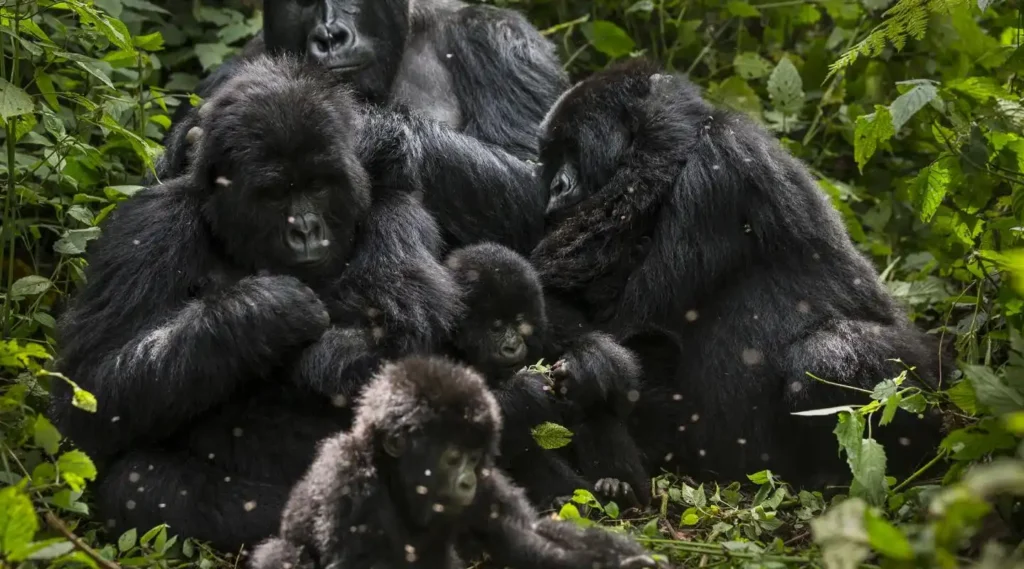
Your Hour With the Gorillas
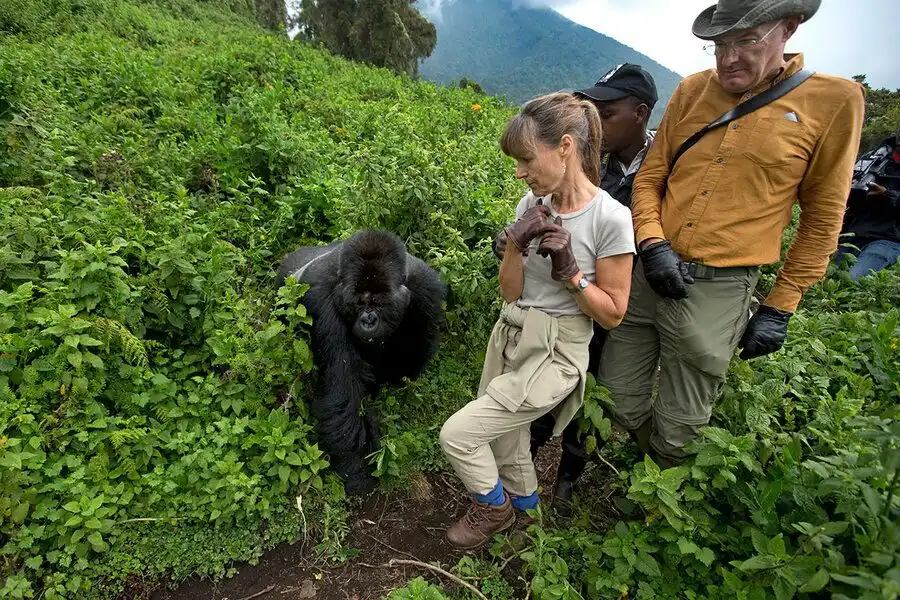
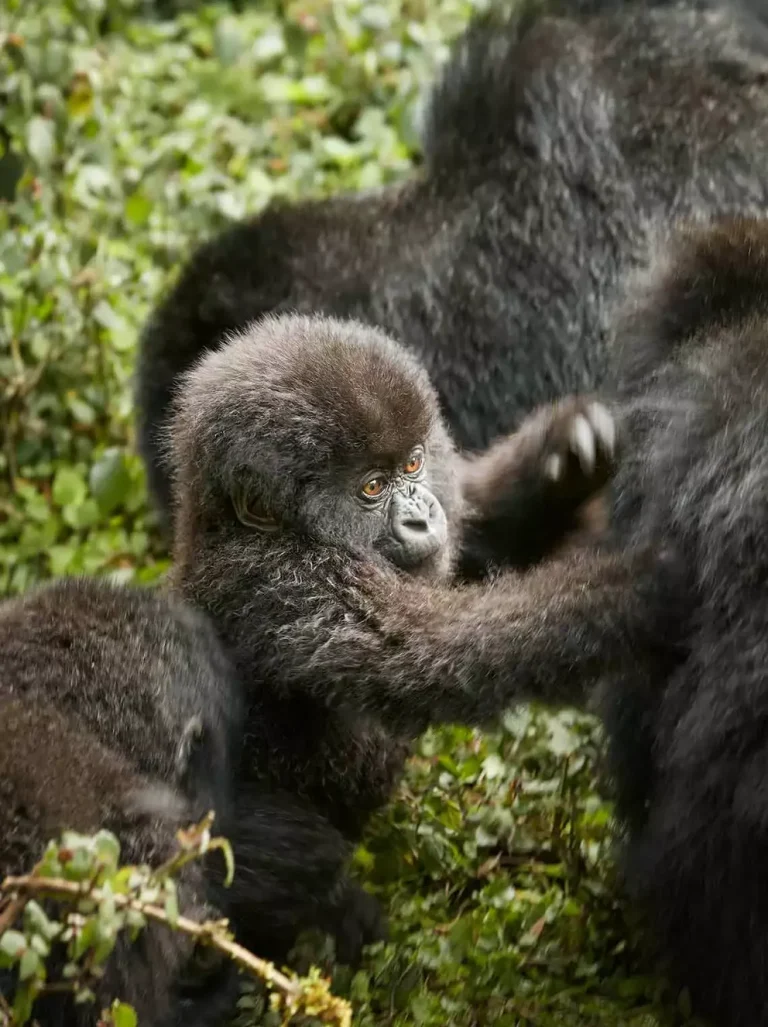
When the rangers signal that the family is close, you leave your bags with the porters and move in quietly. For the next hour you watch the gorillas from at least 7 metres away. You may see a silverback feeding, mothers nursing infants, or youngsters tumbling through the vegetation. Most trekkers say it is the fastest hour of their lives.
Photography is allowed, but never with flash. Keep your voice low, avoid sudden movements and follow every instruction from your ranger.
The Walk Back and Your Certificate
After exactly one hour, the group withdraws quietly and walks back to the trailhead, which is usually quicker than the walk in. Back at the park office, each trekker receives a UWA gorilla trekking certificate, then it is lunch and a well-earned rest at the lodge.
Porters and Fitness
Porters. Community porters charge around US$20 to carry your bag and help you on steep sections. Hiring one makes the trek easier and gives local families an important income.
Fitness. A moderate level of fitness is enough for most treks. If you are worried about the climb, choose a gentler sector such as Buhoma and tell us, so we can request an easier family where possible. Our guide to how hard gorilla trekking is explains more, and older travellers can read our guide to Uganda safaris for elderly travellers.
Ready to plan your gorilla trek?
Tell us your travel dates and we will check gorilla permit availability in Bwindi and Mgahinga for you, free of charge.
Gorilla Trekking Uganda Cost: What You Pay in Total
The permit is the biggest single cost, but it is not the only one. Here is what a gorilla trekking Uganda trip usually includes, so you can budget with confidence:
| Item | Typical cost (US$) |
|---|---|
| Gorilla trekking permit | 800 per person (600 in April, May and November) |
| Gorilla Habituation Experience permit | 1,500 per person (1,800 from 1 January 2027) |
| Budget lodge, per person per night | 50 to 120 |
| Mid-range lodge, per person per night | 150 to 300 |
| Luxury lodge, per person per night | From about 500 |
| Porter | About 20 per porter |
| Tips for rangers and trackers | About 20 to 30 per trekker |
| 4x4 vehicle, driver guide and fuel, or flights to Kihihi or Kisoro | Included in our packages |
As a guide, a complete 3-day budget gorilla trekking safari from Entebbe, with transport, two nights' accommodation, meals and the permit, typically costs US$1,500 to US$1,900 per person when booked with us. A mid-range 3-day trip runs US$2,200 to US$3,000 per person, and luxury trips start from about US$3,500 per person. Prices depend on your dates, group size and lodges.
For tipping advice, see our guide to tipping in Uganda, and for the reasons behind the permit price, read why gorilla trekking is so expensive.
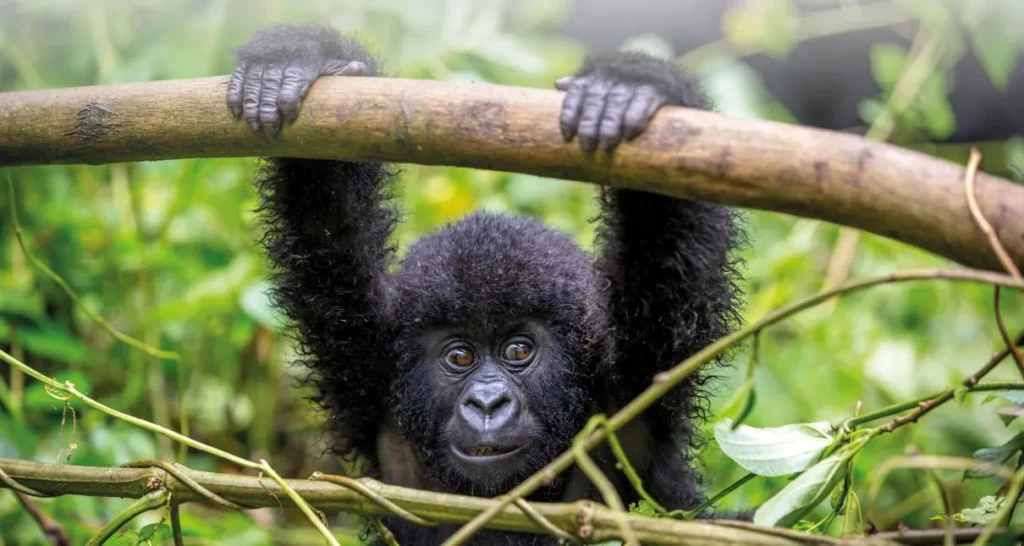
Gorilla Trekking Uganda Tours and Packages
How long you need depends on where you start and what else you want to see. From Entebbe, 3 days is the practical minimum by road, while from Kigali a 2-day trip is possible. Longer safaris add chimpanzee tracking in Kibale Forest, game drives in Queen Elizabeth National Park or a stay at Lake Bunyonyi. Not sure how long to go for? Read is 3 days enough for gorilla trekking in Uganda.
These are our most popular gorilla trekking Uganda packages, each checked against its full itinerary:
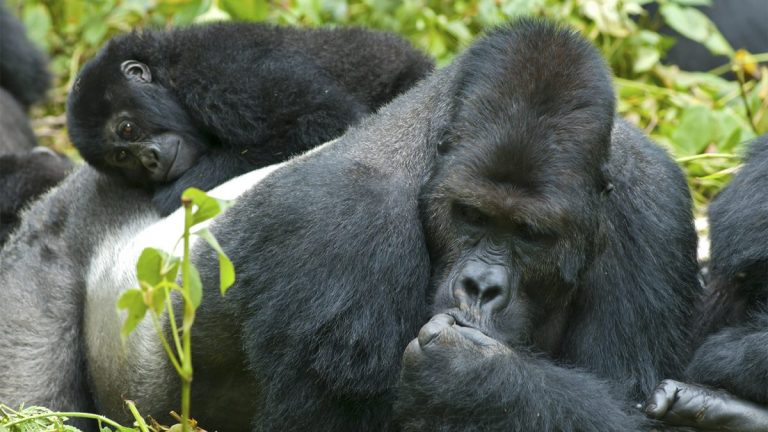
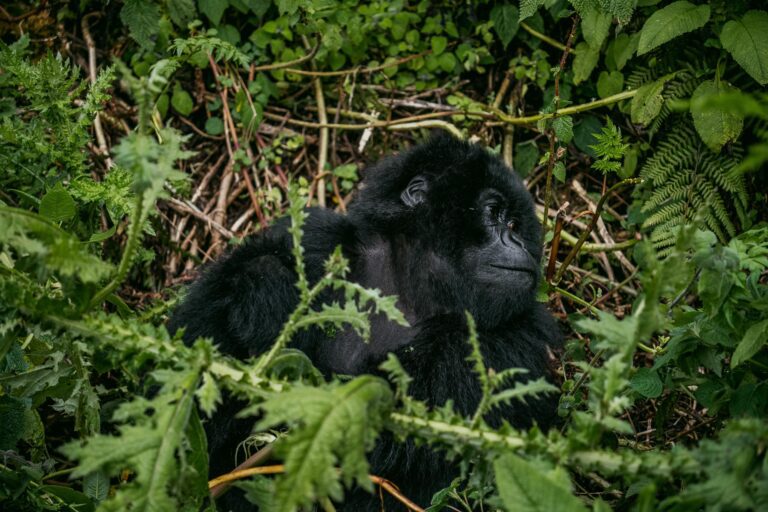
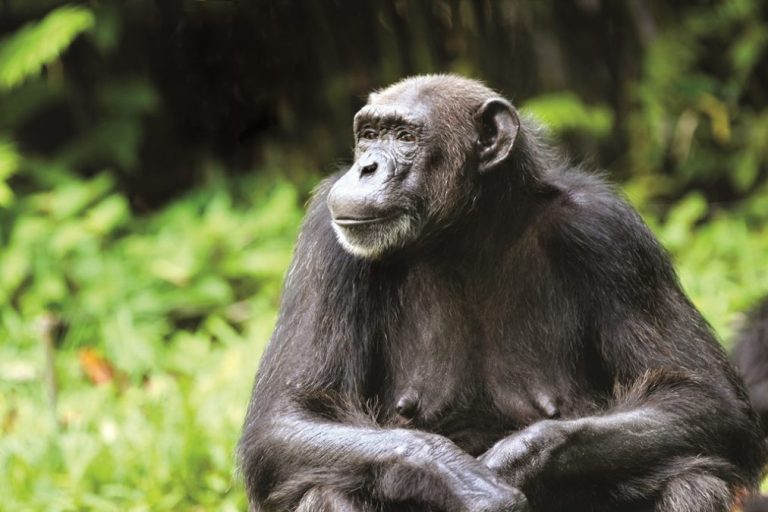
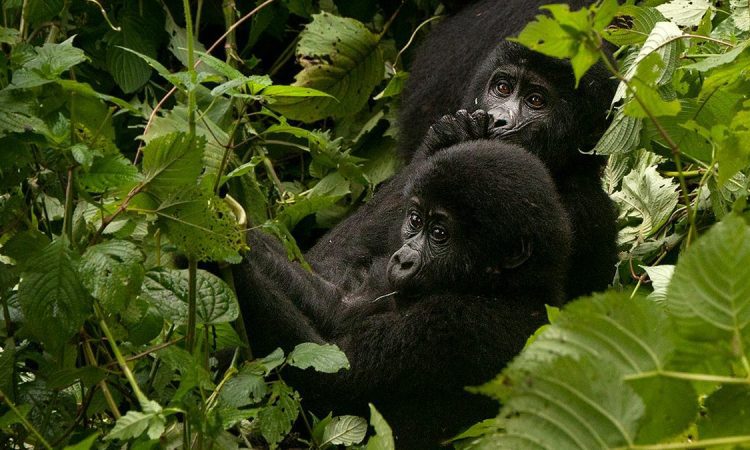
See All Uganda Gorilla Safaris
The Gorilla Habituation Experience
For the most immersive form of gorilla trekking Uganda offers, the Gorilla Habituation Experience in Bwindi's southern sector gives you up to four hours with a gorilla family that researchers are still preparing for tourism, in a group of no more than 4. It costs US$1,500 until 31 December 2026, then US$1,800 from 1 January 2027. Compare the two in our guide to gorilla habituation vs gorilla trekking.
Tours for Every Traveller
- On a budget? See the cheapest ways to see gorillas in Uganda.
- Travelling alone? Read our guide to solo Uganda gorilla safaris.
- Want the group to yourselves? Learn about private mountain gorilla permits.
- Comparing countries? Read our guide to gorilla safaris in Uganda vs Rwanda.
Gorilla Trekking Uganda for Families
The minimum age for gorilla trekking in Uganda is 15 years on the day of the trek. UWA applies this rule strictly, so family trips need a little extra planning.
With teenagers aged 15 and over, a gorilla trekking Uganda trip makes an unforgettable family adventure. Hire porters for everyone, choose a gentler sector such as Buhoma, and book permits early, as you will need several on the same date.
With younger children, one parent can trek while the other enjoys an activity with the children, then swap on a second day. Good options for younger travellers include:
- Chimpanzee tracking in Kibale Forest, from age 12
- Guided nature walks and community visits around Bwindi
- Canoe trips and island visits on Lake Bunyonyi
- Golden monkey tracking in Mgahinga, for older children
- Game drives and the Kazinga Channel boat cruise in Queen Elizabeth National Park
What to Pack for Gorilla Trekking Uganda
On a gorilla trekking Uganda day, the rainforest is steep, muddy and humid, and it can rain at any time of year. The essentials are:
- Waterproof hiking boots that are already broken in
- Long trousers and a long-sleeved shirt in neutral colours
- A lightweight rain jacket and a warm fleece for early mornings
- Garden gloves for gripping vegetation, and gaiters to keep out mud and ants
- A small daypack with at least 2 litres of water and snacks
- Insect repellent, sunscreen and any personal medication
- A camera with spare batteries, as flash photography is not allowed
For the full list, see our ultimate gorilla trekking packing list.
Where to Stay for Gorilla Trekking
Your lodge shapes your gorilla trekking Uganda experience as much as your permit. Always stay close to your trekking sector, because the briefing starts early and the sectors are far apart. Lodges near Bwindi and Mgahinga suit every budget:
| Style | Examples | Best for |
|---|---|---|
| Budget | Trekkers Tavern, Buhoma Community Rest Camp | Budget and solo travellers |
| Mid-range | Gorilla Mist Camp, Haven Lodge Buhoma, Ichumbi Lodge, Agandi Eco Lodge, Chameleon Hill Lodge | Couples and families |
| Luxury | Buhoma Lodge, Bwindi Lodge, Gorilla Forest Camp, Clouds Mountain Gorilla Lodge, Mount Gahinga Lodge | Honeymoons and special trips |
We match your lodge to your permit's sector when we plan your trip, so you are never facing a long drive before dawn.
Trekking Responsibly
Gorilla trekking in Uganda is one of Africa's great conservation success stories. Every gorilla trekking Uganda visit keeps it that way when you follow a few simple rules:
- Stay at least 7 metres from the gorillas, even if they come closer
- Never trek if you have a cough, cold or flu, because gorillas catch human illnesses easily
- Speak softly, avoid sudden movements and do not use flash photography
- Never eat, drink or leave litter near the gorillas
- Hire a local porter and buy crafts from community projects around the parks
Read the full rules and the conservation story in our guide, is gorilla trekking ethical.
Why Plan Your Gorilla Trek With Tulambule Uganda Safaris?
Local experts. We are 100% Ugandan-owned, founded in 2014 and based in Kampala, and gorilla trekking Uganda safaris are at the heart of what we do. We know every sector, lodge and road in gorilla country.
Licensed and accredited. We are licensed by the Uganda Tourism Board and accredited with the Uganda Wildlife Authority, and we sell permits at UWA's official rate.
Tailor-made trips. From a 2-day trek out of Kigali to a two-week Uganda safari, we plan every gorilla trekking Uganda trip around your dates, budget and fitness.
With you throughout. Your driver guide is with you from start to finish, and our Kampala team is on hand if plans change.
Gorilla Trekking Uganda FAQs
How much does gorilla trekking in Uganda cost?
A gorilla permit costs US$800 for foreign non-residents, or US$600 in April, May and November. A complete 3-day budget gorilla safari from Entebbe, with transport, accommodation, meals and the permit, typically costs US$1,500 to US$1,900 per person.
What is the best time for gorilla trekking in Uganda?
Gorilla trekking runs all year. The dry seasons of June to September and December to February have the easiest trails, while April, May and November offer discounted permits and fewer visitors.
What is the minimum age for gorilla trekking in Uganda?
The minimum age is 15 years on the day of the trek. Younger children can enjoy activities such as nature walks, community visits and Lake Bunyonyi boat trips.
How long does a gorilla trek take?
A gorilla trek takes between 2 and 8 hours, depending on where the gorillas are that day. Once you find them, you spend one hour with the family.
Is gorilla trekking in Uganda safe?
Yes. Every trek is led by experienced UWA rangers with an armed escort, and the gorilla families are fully habituated to people. Following the ranger's instructions keeps both you and the gorillas safe.
Bwindi or Mgahinga: which park is better for gorilla trekking?
Bwindi suits most travellers, because it has more than 20 gorilla families and the widest choice of permits and lodges. Mgahinga is ideal if you want a quieter trip with volcano scenery and golden monkey tracking.
Continue Planning Your Trip
Now you know how gorilla trekking Uganda works, the next step is choosing your dates and securing your permit before it sells out.
Let us plan your gorilla trek
Tell us your travel month, fitness level and budget. We will recommend the right park and sector, book your permit and send you a free, tailor-made quote.
Get a Free QuoteChat on WhatsApp
Licensed by UTB and UWA • Member of AUTO • Rated 4.9 on TripAdvisor