

Gorilla Trekking Rules in Uganda: Your Essential Guide for 2026
Discover the gorilla trekking rules in Uganda for 2026. This essential guide helps you stay informed, safe, and respectful during your unforgettable adventure.
Gorilla trekking in Uganda offers a rare chance to see mountain gorillas up close in their natural homes—Bwindi Impenetrable Forest and Mgahinga Gorilla National Park. This experience is thrilling but comes with important responsibilities. To protect both visitors and these endangered animals, Uganda enforces clear and strict rules.
Knowing the gorilla trekking rules in Uganda is essential for your safety and the gorillas’ survival. In this 2026 guide, we’ll cover everything you need to prepare for and follow during your trek, ensuring a safe and rewarding journey.
Why Are Gorilla Trekking Rules Important?
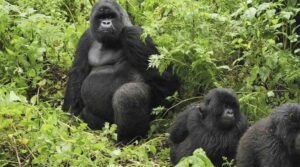
Gorilla trekking rules in Uganda exist to protect one of the world’s rarest and most endangered species—mountain gorillas. These regulations are vital for several key reasons.
Mountain gorillas share over 98% of their DNA with humans, making them highly susceptible to human diseases such as flu and respiratory infections. Following strict rules helps minimize the risk of disease transmission.
Additionally, the rules ensure the safety of both visitors and gorillas. As wild animals, gorillas can become stressed or aggressive if visitors behave unpredictably or get too close. Adhering to these rules also helps preserve the gorillas’ natural behavior, allowing them to thrive with minimal human disturbance.
Finally, regulated gorilla trekking supports sustainable tourism that benefits local communities and funds ongoing conservation efforts. By respecting these rules, visitors play a crucial role in protecting mountain gorillas and their environment for generations to come.
Official Gorilla Trekking Rules in Uganda
Before the Trek
Only visitors aged 15 and above are allowed to participate in gorilla trekking. This age limit helps ensure safety for all participants.
All trekkers must be in good health. If you show symptoms of contagious illnesses like flu or diarrhea, you will not be permitted to trek.
Every visitor must hold a valid gorilla trekking permit. Permits are limited and should be booked well in advance. Groups are restricted to a maximum of eight people per gorilla family each day. This helps reduce stress on the gorillas.
Mandatory morning briefings at the park headquarters prepare trekkers on safety measures and park regulations.
During the Trek
Maintain a minimum distance of 7 meters (approximately 21 feet) from the gorillas at all times. Do not approach them, even if they come close.
Wearing a face mask is required to prevent respiratory disease transmission. Speak quietly and avoid sudden movements. Loud noises or gestures can startle gorillas.
Flash photography is prohibited as it can disturb or provoke the animals. Do not eat, drink, smoke, or litter in the presence of gorillas.
Stay with your group and follow your guide’s instructions closely. Time spent with the gorillas is limited to one hour to minimize disturbance.
After the Trek
Follow park guidelines on exiting quietly and respectfully. Dispose of any trash properly, and consider supporting local conservation efforts.
Penalties for Breaking Gorilla Trekking Rules
Uganda takes the enforcement of gorilla trekking rules very seriously to protect its endangered mountain gorillas. Visitors who break any rules may face immediate removal from the trekking group, with no refund provided.
Fines can be imposed for violations, especially if actions endanger the gorillas or disrupt the park’s operations. Repeat or severe offenders risk being banned from future gorilla trekking activities in Uganda.
In extreme cases, legal action may be taken by the Uganda Wildlife Authority. These strict penalties underline the importance of following all gorilla trekking rules in Uganda to ensure the safety and preservation of these incredible animals.
Preparing for Your Gorilla Trekking Experience
Successful gorilla trekking requires both physical readiness and proper gear. Treks can last anywhere from 30 minutes to several hours, often through steep and muddy terrain. A good level of fitness will make your experience more enjoyable.
Wear sturdy waterproof hiking boots with good grip. Long-sleeved shirts and trousers protect against scratches and insect bites. Bring lightweight rain gear, a wide-brimmed hat, and gardening gloves to help with climbing or holding onto branches.
Carry a small backpack with water and energy snacks, but consume these away from the gorillas. Binoculars are useful for spotting other wildlife along the trail. Mentally prepare to be patient—sightings can be unpredictable, and weather conditions may vary.
Always listen carefully to your guide’s instructions to ensure your safety and that of the gorillas.
Responsible Tourism and Conservation Impact
Following the gorilla trekking rules in Uganda is more than just compliance—it is a vital part of responsible tourism.
Each gorilla trekking permit fee directly supports conservation efforts, including anti-poaching patrols, veterinary care, and habitat protection. Permit revenues also fund community development projects such as schools, health clinics, and local infrastructure.
By trekking responsibly, visitors help maintain the delicate balance between wildlife preservation and tourism. Choosing licensed tour operators who prioritize ethical practices further amplifies the positive impact on gorilla conservation. Your adherence to the rules contributes to the long-term survival of mountain gorillas and benefits the surrounding communities.
Booking Your Gorilla Trekking Safari and Best Times to Visit
Due to high demand and limited permits, it’s essential to book your gorilla trekking safari in Uganda well in advance—ideally six to twelve months before your planned trip.
Licensed tour operators can assist with permit acquisition, accommodation arrangements, and transport within Uganda to ensure a smooth experience.
The best time to visit is during the dry seasons: June to September and December to February. Trails are easier to navigate, and wildlife viewing is excellent. The wet seasons (March to May and October to November) see fewer tourists and sometimes lower prices, but expect muddy trails and rain.
Planning your trek during the dry seasons improves your chances of a comfortable and memorable gorilla trekking experience. Contact us today to start planning your unforgettable 2026 gorilla trekking adventure in Uganda.
Explore our popular gorilla safari packages:
- 5 Days Uganda Safari Gorillas, Chimps, Wildlife & Culture
- 6 Day Uganda Safari, Chimps, Gorillas, & Wildlife
- 3 Days Gorilla Trek Uganda Tour via Kigali Rwanda
Gorilla Trekking Rules for Children and Kids
When it comes to gorilla trekking rules in Uganda, special considerations apply for children and kids. The minimum age to participate in gorilla trekking is 15 years old. This age limit is set to ensure the safety of young visitors and the wellbeing of the gorillas.
Younger children may find it difficult to stay calm if a gorilla displays warning behaviors, such as mock charging. Health risks are another concern. Children’s developing immune systems make them more vulnerable to illnesses that could be transmitted to gorillas. Protecting these endangered animals from human diseases is a top priority.
Additionally, gorilla trekking often involves trekking through challenging terrain that can be physically demanding. Children under 15 may struggle to complete the trek safely.
In Uganda, exceptions can sometimes be made for children under 15 with special permission from Uganda Wildlife Authority, usually accompanied by a letter from parents and an indemnity form. However, these cases are rare and assessed carefully.
Parents considering trekking with children should also be prepared to hire porters to assist younger kids during the trek.
For families traveling with children who cannot trek, many lodges and tour operators offer alternative activities such as nature walks, cultural visits, and child-friendly programs.
Understanding and respecting these gorilla trekking rules for children ensures a safe and responsible experience for families and contributes to the ongoing conservation of mountain gorillas.
Following the gorilla trekking rules in Uganda is key to ensuring a safe, respectful, and truly unforgettable experience. These guidelines protect both visitors and the critically endangered mountain gorillas, helping to preserve this incredible wildlife encounter for future generations.
Families traveling with children should pay close attention to specific rules designed to safeguard everyone’s wellbeing and maintain the delicate balance between tourism and conservation.
By choosing to trek responsibly in 2026, you play an active role in supporting vital conservation efforts and empowering local communities who depend on sustainable tourism.
Ready to embark on your life-changing gorilla trekking adventure? Contact us today to secure your permits and start planning a responsible, unforgettable safari in Uganda.