

Introduction: Harnessing Tourism for Regional Growth
The Common Market for Eastern and Southern Africa (COMESA) unites 21 nations dedicated to regional integration and shared prosperity. Among its strongest drivers of growth is tourism, which connects countries through heritage, nature, and trade.
Sustainable tourism in COMESA Member States creates opportunities to experience Africa’s diversity while promoting cultural preservation, environmental care, and economic empowerment. From ancient kingdoms to pristine islands, the bloc offers endless responsible travel experiences.
Tanzania’s Role in Regional Tourism: A Partner Beyond COMESA
Tanzania is not officially part of COMESA but plays a key role in East African tourism through the EAC and SADC. Its world-famous Serengeti and Zanzibar complement the sustainable tourism circuits of COMESA nations.
By integrating Tanzania into COMESA itineraries, travelers experience a seamless regional journey that strengthens cross-border cooperation and boosts the region’s tourism economy.

COMESA Member States and Their Tourism Highlights
Every COMESA member offers unique attractions that contribute to sustainable tourism. Visiting these countries supports conservation, cultural exchange, and local economies.
Burundi: A Haven of Hills and Cultural Heritage
Burundi’s rolling hills and Lake Tanganyika’s peaceful shores are perfect for eco-tourism. Exploring Rusizi National Park and enjoying traditional drumming highlight the cultural side of sustainable tourism in COMESA Member States.
Comoros: Island Spices and Volcanic Landscapes
Comoros features volcanic peaks, spice plantations, and quiet beaches. Hiking Mount Karthala and diving in Moheli Marine Park showcase eco-friendly travel that supports island communities and regional sustainability.
Democratic Republic of Congo: Untamed Wilderness and Vibrant Culture
The DRC’s Virunga National Park, with its mountain gorillas and active Nyiragongo volcano, exemplifies how sustainable tourism protects wildlife and generates income for local people.
Djibouti: Extraordinary Landscapes and Marine Life
Djibouti’s Lake Assal and pristine diving spots in the Gulf of Tadjoura attract eco-travelers. Sustainable tourism here links desert conservation with cultural preservation.
Egypt: Ancient Wonders and Red Sea Adventures
Egypt blends timeless attractions like the Egyptian pyramids and Nile cruises with diving in the Red Sea. Responsible tourism ensures ancient heritage is safeguarded for future generations.
Eritrea: Architectural Heritage and Marine Biodiversity
Asmara’s UNESCO-listed architecture and the Dahlak Archipelago’s marine life support cultural and environmental tourism. Sustainable tourism in COMESA Member States like Eritrea preserves both heritage and biodiversity.
Eswatini: Vibrant Traditions and Wildlife Sanctuaries
Eswatini’s colorful Umhlanga Reed Dance festival and wildlife sanctuaries show how culture and conservation can drive regional tourism sustainably.
Ethiopia: Historic Sites and Natural Splendors
Ethiopia’s rock-hewn churches and Simien Mountains are iconic. Tourism revenues here help protect unique cultural and natural heritage, showing the economic benefits of sustainable tourism.
Kenya: Safari Excellence and Coastal Charm
Kenya combines Maasai Mara legendary safaris with beautiful Mombasa beaches. It leads eco-tourism innovation, linking sustainable tourism in COMESA Member States with cultural authenticity.
Libya: Saharan Mysteries and Mediterranean History
Libya’s Roman ruins and Sahara landscapes reveal hidden treasures. Responsible tourism aids archaeological preservation while boosting local economies.
Madagascar: Biodiversity Hotspot and Island Paradise
Madagascar’s rare wildlife and baobab forests attract eco-tourists. Community-based tourism supports conservation and local livelihoods across the Indian Ocean.
Malawi: Scenic Lake and Highland Retreats
Lake Malawi offers kayaking, hiking, and village tours. Tourism here promotes sustainable fishing and upland conservation, fitting into the broader COMESA sustainability efforts.
Mauritius: Tropical Luxury and Cultural Diversity
Mauritius holidays combine luxury resorts with multicultural festivals. Mauritius is a leader in island eco-tourism, balancing marine conservation with economic growth in the region.
Rwanda: Gorilla Trekking and Cultural Renewal
Rwanda’s Volcanoes National Park showcases how gorilla trekking funds conservation. Kigali’s cultural revival highlights the social benefits of sustainable tourism in COMESA Member States.
Seychelles: Marine Sanctuaries and Idyllic Beaches
Seychelles protects its world-famous beaches and marine reserves through strict eco-tourism policies. Its model inspires responsible tourism throughout COMESA nations.
Somalia: Coastal Heritage and Emerging Tourism
Somalia’s untouched beaches and Islamic heritage sites reveal potential for cultural and coastal tourism, contributing to economic recovery.
Sudan: Ancient Kingdoms and Coastal Reefs
Sudan’s Nubian pyramids and Red Sea reefs blend history and marine tourism. Such destinations show how heritage preservation aligns with sustainable regional development.
Tunisia: Mediterranean History and Desert Adventures
Tunisia offers Carthage ruins, Mediterranean beaches, and Sahara deserts. Sustainable tourism enhances North African cultural heritage and supports small businesses.
Uganda: The Pearl of Africa’s Diverse Attractions
Uganda links gorilla trekking, waterfalls, wildlife safaris, and rich cultural heritage. It acts as a regional hub for eco-tourism in COMESA Member States.
Zambia: Adventure Tourism and Victoria Falls
Zambia’s Victoria Falls, Zambezi safaris, and community conservancies highlight how adventure tourism supports local economies and nature conservation.
Zimbabwe: Cultural Heritage and Natural Wonders
Zimbabwe combines Victoria Falls with Great Zimbabwe ruins. Responsible tourism here strengthens communities and preserves Africa’s historical treasures.
Responsible Tourism: Preserving Africa’s Heritage for Future Generations
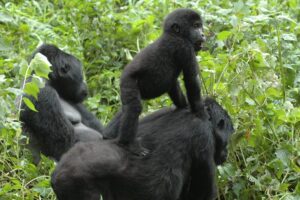
Responsible tourism is at the heart of sustainable tourism in COMESA Member States. Eco-friendly lodges minimize waste, while cultural experiences engage travelers with authentic traditions.
Community initiatives in Rwanda, Uganda, and Zambia ensure tourism revenues improve local lives while protecting biodiversity. Travelers are encouraged to respect wildlife and avoid harmful practices.
This approach safeguards Africa’s cultural and environmental heritage, ensuring it remains for future generations to enjoy.
Economic Development and Inclusion: Tourism as a Regional Growth Engine
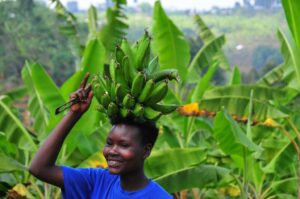
Tourism is a major driver of GDP and employment in COMESA. By promoting sustainable tourism, member states stimulate infrastructure development, cross-border trade, and regional integration.
Economic inclusion is key, with community tourism projects empowering women and youth. Multi-country circuits also increase visitor spending, strengthening COMESA’s internal markets.
Sustainable tourism in COMESA Member States is more than travel—it’s a catalyst for inclusive economic growth and social progress.
Visa Advice and Travel Guide for COMESA Travelers
Traveling within COMESA is increasingly easier, with many states offering visa-free or visa-on-arrival entry for member citizens. Some countries are adopting eVisa platforms to simplify border procedures.
Visitors should still confirm entry rules in advance, ensure their passports have six months’ validity, and carry proof of onward travel. Harmonized visa systems are underway, which will make sustainable tourism in COMESA even more accessible.
Tulambule Uganda Safaris helps travelers navigate visa requirements and plan multi-country trips seamlessly.
Proposed Multi-Country Sustainable Tourism Itineraries Including Tanzania
Itinerary 1: East African Wildlife and Culture Circuit (14 Days)
Begin with gorilla trekking in Uganda’s Bwindi, explore Kenya’s Maasai Mara, and continue to Tanzania for Serengeti safaris and Zanzibar beaches, finishing with Rwanda’s Volcanoes National Park.
Itinerary 2: Indian Ocean Island Exploration (10 Days)
Enjoy Mauritius’ luxury beaches and festivals, then fly to Seychelles for snorkeling and marine reserves. End in Comoros with volcanic hikes and spice island culture.
Itinerary 3: Northern to Southern Heritage Tour (16 Days)
Travel through Egypt’s pyramids, Sudan’s Nubian ruins, Zambia’s Victoria Falls safaris, and Zimbabwe’s Great Zimbabwe heritage sites for a full regional experience.
Why Travel with Tulambule Uganda Safaris?
Tulambule Uganda Safaris specializes in sustainable tourism in COMESA Member States, creating eco-friendly, culturally rich, and economically inclusive itineraries. With trusted partners, we ensure authentic experiences while supporting conservation and local communities.
Conclusion: Explore, Preserve, and Unite Through Sustainable Tourism
Sustainable tourism in COMESA Member States allows travelers to enjoy Africa’s diverse cultures, landscapes, and history while supporting communities and protecting the environment. Including Tanzania enriches itineraries and strengthens regional connections.
Choose Tulambule Uganda Safaris to plan journeys that go beyond sightseeing—every trip contributes to a sustainable and united African tourism future.
Frequently Asked Questions (FAQs)
Q1: What is COMESA and why is tourism important for its member states?
COMESA is a regional economic bloc of 21 countries promoting integration. Tourism creates jobs, preserves culture, and supports conservation.
Q2: Can I travel freely between COMESA countries without a visa?
Many COMESA states offer visa-free or visa-on-arrival access, but a single unified visa isn’t yet implemented. Check each destination’s policy before traveling.
Q3: How does responsible tourism benefit local communities?
It supports local economies, preserves cultural heritage, and encourages environmental protection while improving livelihoods.
Q4: Are multi-country tours available in COMESA?
Yes, travelers can combine safaris, cultural tours, and beach escapes across multiple COMESA countries and neighboring Tanzania.
Q5: How can I get visa help and trip planning for COMESA travel?
Agencies like Tulambule Uganda Safaris provide updated visa guidance and plan seamless regional itineraries.