
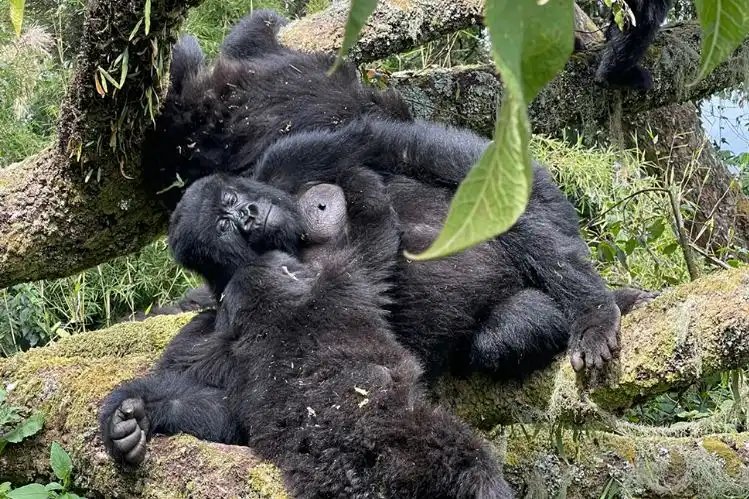
Gorilla trekking Uganda offers an unforgettable wildlife adventure with Bwindi tours, 2026 permit prices, and family-friendly safari packages.
Gorilla trekking Uganda is one of the most powerful wildlife encounters in the world. Deep inside Bwindi and Mgahinga’s lush rainforests, you get the rare chance to stand a few metres from an endangered mountain gorilla family. It’s a moment travellers describe as emotional, humbling, and unforgettable.
Uganda offers more habituated gorilla families than any other destination, excellent ranger support, and safari packages that fit different budgets. This 2026 guide walks you through everything you need to plan the perfect trek—permit prices, best travel months, Bwindi gorilla tours, family trekking options, and top Uganda gorilla trekking packages.
Planning a gorilla trek requires good timing, early permit booking, and choosing the right sector for your fitness level. That’s where Tulambule Uganda Safaris comes in. We help secure permits, arrange comfortable lodges, and design personalised itineraries tailored to your travel dates, interests, and budget.
Why Gorilla Trekking Uganda Is the Best Choice for 2026
Uganda is home to nearly half of the world’s remaining mountain gorillas, which makes it one of the best destinations for gorilla trekking. The experience here combines accessibility, affordability, and a strong conservation model that benefits local communities.
Here’s why Uganda stands out:
- More habituated gorilla families
Bwindi alone has over 20 habituated gorilla groups. This gives travellers more trekking options and spreads visitor numbers across four well-managed sectors. - High success rates
Uganda’s rangers and trackers monitor gorillas daily. Thanks to this system, almost every trek (over 99%) results in a successful encounter. - Better value for money
Uganda’s gorilla permit is more affordable than Rwanda’s, yet the experience is just as rich and memorable. Accommodation ranges from budget stays to luxury eco-lodges. - Easy to combine with other safaris
After the trek, travellers can explore Queen Elizabeth National Park, Kibale Forest, Murchison Falls, or Lake Bunyonyi. This makes Uganda ideal for a complete safari holiday. - A truly authentic experience
The terrain is natural, the communities are welcoming, and conservation efforts are deeply rooted. Your visit directly supports wildlife protection and local development.
For travellers who want meaningful adventure, gorilla trekking Uganda is the most rewarding choice for 2026 and beyond.
Where to Go for Gorilla Trekking Uganda
Uganda offers two primary destinations for gorilla trekking: Bwindi Impenetrable National Park and Mgahinga Gorilla National Park. Each park provides a unique experience, scenery, and trekking style. Knowing the differences will help you choose the right sector for your fitness level, interests, and travel dates.
Bwindi Impenetrable National Park
Bwindi is the most popular gorilla trekking destination in Uganda and a UNESCO World Heritage Site. It is famous for its dense rainforest, rolling hills, waterfalls, and, most importantly, its habituated gorilla families.
Why choose Bwindi?
- Over 20 habituated gorilla families to choose from
- Four trekking sectors:
- Buhoma – beginner-friendly, good for first-time trekkers
- Ruhija – scenic, cooler climate, birdwatching opportunities
- Rushaga – many gorilla families, excellent habituation experiences
- Nkuringo – more challenging terrain, rewarding views
- High success rate for gorilla encounters
- Accessible lodges ranging from budget to luxury
- Other activities nearby: cultural tours, birding, forest walks, and Lake Bunyonyi relaxation
Bwindi is ideal for travellers who want multiple trekking options, high chances of gorilla sightings, and a blend of adventure and comfort.
Mgahinga Gorilla National Park
Mgahinga is smaller and quieter than Bwindi, located in southwestern Uganda near the Virunga Volcanoes. It is perfect for travellers who prefer less crowded trails and a more intimate experience.
Highlights of Mgahinga:
- Home to the Nyakagezi Gorilla Family, known for calm and relaxed behavior
- Volcanic landscapes provide stunning backdrops for photography
- Ideal for combining with golden monkey tracking and volcano hiking
- Fewer visitors, meaning a more private trekking experience
Mgahinga is best suited for travellers seeking a peaceful, scenic trek with fewer crowds and opportunities for photography or adventure alongside gorilla trekking.
Quick Comparison Table: Bwindi vs Mgahinga
| Feature | Bwindi | Mgahinga |
| Number of gorilla families | 20+ | 1 (Nyakagezi) |
| Trek difficulty | Moderate to challenging | Moderate |
| Visitor traffic | Higher | Lower |
| Scenic variety | Dense forest, waterfalls | Volcanoes, forest, hills |
| Best for | First-time trekkers, multiple sector options | Peaceful, private experience |
Pro tip: Many travellers combine both parks for a complete Uganda gorilla trekking experience. For example, a 5–7 day safari can include Bwindi for multiple gorilla treks and Mgahinga for golden monkey tracking or volcano hiking.
Gorilla Permits Uganda Price (Updated 2026)
A gorilla permit is required for anyone trekking mountain gorillas in Uganda. It grants access to the national parks and funds vital conservation efforts. Understanding the permit price and booking process is key to planning your safari.
2026 Gorilla Permit Prices:
| Visitor Type | Price (USD) |
| Foreign Non-Residents | $800 |
| Foreign Residents | $700 |
| East African Citizens | UGX 300,000 |
Note: Prices are the same for both Bwindi and Mgahinga Gorilla National Parks. Permits are limited and sell out months in advance, especially during peak seasons (June–September, December–February).
What the Gorilla Permit Includes
When you purchase a gorilla permit, you get more than just entry to the park. Your permit covers:
- Professional ranger guide and tracking team
- One-hour gorilla encounter per trek
- Security and monitoring during the trek
- Conservation support for gorillas and local communities
- Park entry and administration fees
By buying a permit, you contribute directly to anti-poaching efforts, community development projects, and wildlife protection initiatives.
How to Book Gorilla Permits
Booking permits is straightforward, but timing is crucial:
- Reserve Early: Permits are limited; book at least 3–6 months in advance.
- Use a Licensed Operator: Tulambule Uganda Safaris ensures you secure the right trekking sector, lodge, and logistics.
- Choose Your Sector: Decide between Buhoma, Rushaga, Ruhija, Nkuringo (Bwindi), or Mgahinga based on your trekking experience and fitness level.
- Confirm Payment and Documentation: Most operators require full payment in advance. You will receive a permit confirmation document needed for park entry.
Tip: Booking through a trusted safari company saves time, guarantees permits, and gives access to extra services like transfers, accommodation, and additional wildlife tours.
Quick Takeaway
- Gorilla permits are mandatory and expensive, but worth it for the once-in-a-lifetime experience.
- Prices vary by nationality but are slightly lower than Rwanda.
- Early booking and using a professional operator ensures a hassle-free trek.
Best Time for Gorilla Trekking Uganda
Gorilla trekking in Uganda is possible all year round, but weather and trail conditions affect the trekking experience. Choosing the right time ensures better visibility, easier hikes, and a more enjoyable safari.
Peak Season
Months: June to September, December to February
Why these months are ideal:
- Trails are drier and easier to walk
- Clearer visibility for photography
- Forest scenery is lush but not overly muddy
- Ranger tracking is smooth, increasing the chances of a successful encounter
Pros of trekking in peak season:
- Higher success rate for sightings
- Multiple sectors open for trekking
- Comfortable weather for longer hikes
Cons:
- Larger crowds on popular trails
- Gorilla permits sell out fast, requiring early booking
- Slightly higher lodge and package prices
Off-Peak Season
Months: March to May, October to November
Why you might choose off-peak trekking:
- Trails can be muddy and slippery, making hikes more challenging
- Lush green forest scenery and spectacular waterfalls
- Lower number of tourists, ensuring a more private trekking experience
- Lodges may offer discounted rates
Tips for off-peak trekking:
- Wear sturdy waterproof boots and gaiters
- Carry a raincoat and quick-dry clothing
- Be prepared for longer hikes in muddy conditions
Quick Takeaway
- Best overall months: June–September and December–February for dry trails and comfortable trekking.
- Off-peak months: Ideal for travelers seeking peaceful, less crowded experiences and lower prices.
- Regardless of the season, the gorilla encounter is guaranteed if you have a permit.
Perfect! Let’s move to Step 5, written for maximum readability, SEO, and RankMath optimization. This section covers what to expect on a gorilla trekking experience in Uganda.
What to Expect on a Gorilla Trekking Uganda Experience
Gorilla trekking in Uganda is a once-in-a-lifetime adventure that combines wildlife, nature, and physical activity. Knowing what to expect will help you prepare and enjoy the experience fully.
Trek Duration
- Most treks last 2–6 hours, depending on the gorilla family location.
- The terrain can range from gentle forest trails to steep, muddy hills, especially in Bwindi and Nkuringo sectors.
- Rangers track the gorillas in advance to optimize the trekking experience and ensure high chances of encounters.
One-Hour Gorilla Encounter
- Once you find the gorillas, you get one hour with the family.
- You can observe, photograph, and quietly interact while maintaining safe distances.
- Rangers guide you on proper etiquette, ensuring minimal disturbance to the gorillas.
This hour often feels like a lifetime—watching gorillas play, eat, and interact in their natural habitat is magical.
Trekking Difficulty
- Difficulty varies by sector:
- Buhoma & Ruhija: Moderate, suitable for most fitness levels
- Rushaga & Nkuringo: More challenging, with steep slopes and slippery trails
- Fitness level tips:
- Moderate fitness is enough for most treks
- Short breaks are allowed; you can hike at your own pace
- Porters are available to carry gear or assist with steep sections
Porters and Support
- Porters are highly recommended, especially for off-peak muddy conditions or family treks.
- They carry your gear, help with stability, and make the trek safer and more enjoyable.
- Hiring a porter is optional but affordable (≈$10–$20 per trek).
What Makes It Special
- Close encounters with mountain gorillas in a protected rainforest
- Rare wildlife and bird sightings along the trails
- Personalized guidance from experienced rangers
- Contribution to conservation, since permits support anti-poaching and community projects
Quick Takeaway
Gorilla trekking Uganda is a moderate-level adventure suitable for most travelers. With proper preparation, comfortable gear, and a knowledgeable guide, you’ll enjoy a safe, unforgettable hour with these incredible primates.
Bwindi Gorilla Trekking Tours
Bwindi Impenetrable National Park is Uganda’s most popular gorilla trekking destination. The park offers a variety of tour options that cater to different budgets, schedules, and adventure levels. Whether you are a first-time trekker or seeking a deeper experience, there’s a tour for you.
Short Bwindi Tours
Duration: 2–3 days
- Ideal for travelers with limited time
- Includes one gorilla trek and basic lodge accommodation
- Often combined with nearby cultural visits or short forest walks
- Affordable and perfect for first-time trekkers
Pro tip: Short tours are great for travelers flying in from Entebbe or Kampala who want a quick but memorable gorilla encounter.
Extended Safari Tours
Duration: 4–7 days
- Combines multiple gorilla treks with other wildlife experiences
- Explore Queen Elizabeth National Park, Kibale Forest for chimpanzees, or Lake Bunyonyi
- Includes luxury or mid-range lodges, full meals, and private transfers
- Offers a deeper connection with Uganda’s wildlife and culture
Why choose an extended tour: It allows more time to acclimatize, increases your chances of seeing gorillas, and provides a complete East African safari experience.
Gorilla Habituation Experience
- Special tours for visitors who want closer interaction with gorillas
- Learn how rangers habituate gorilla families to human presence
- Often involves smaller groups and longer trekking hours
- Provides rare photographic and educational opportunities
Note: This is a premium experience and requires advance booking. Only a few tourists per day can participate, making it exclusive and memorable.
Quick Takeaway
Bwindi offers trekking options for every type of traveler:
- Short tours — affordable and time-efficient
- Extended tours — complete safari experience with multiple treks
- Habituation experiences — exclusive and immersive
No matter your choice, Bwindi gorilla trekking tours promise safety, adventure, and a life-changing encounter with mountain gorillas.
Gorilla Trekking for Families in Uganda
Gorilla trekking can be a memorable family adventure, but it requires planning. Uganda offers family-friendly trekking experiences, along with alternative activities for younger children who cannot join the trek.
Age Requirements
- The minimum age for gorilla trekking in Uganda is 15 years.
- Children under 15 can’t participate in gorilla treks, but families can plan nearby activities, such as:
- Nature walks
- Cultural community visits
- Canoe trips or boat rides
- Birdwatching
Family Tips for Gorilla Trekking
- Use porters: They help carry gear, making the trek safer and more enjoyable.
- Dress appropriately: Long sleeves, hiking boots, and gloves protect against mud, insects, and thorny vegetation.
- Stay hydrated: Bring 2 liters of water per person.
- Set realistic expectations: Treks can take 2–6 hours. Choose a sector that suits your family’s fitness level.
- Book early: Family groups may need to secure multiple permits in advance.
Alternative Activities for Children
- Chimpanzee trekking in Kibale Forest – Minimum age: 12
- Cultural visits to local villages – Safe, educational, and interactive
- Forest walks and nature hikes – Short and manageable for younger kids
- Lake Bunyonyi boat trips – Relaxing and scenic for all ages
Quick Takeaway
Families can enjoy Uganda’s wildlife safely and meaningfully. Gorilla trekking for families works best for teenagers 15+ while younger children can explore cultural and nature-based activities nearby. With careful planning, your family safari will be memorable, educational, and fun.
Uganda Gorilla Trekking Packages
Uganda offers a variety of gorilla trekking packages to suit every budget and travel style. From short, affordable trips to luxurious multi-day safaris, there’s a package for everyone. Choosing the right package ensures a smooth, well-organized experience.
Budget Packages
- Duration: 2–3 days
- Includes:
- One gorilla trek in Bwindi or Mgahinga
- Budget lodge or guesthouse
- Basic meals and park entry
- Transfers from Kampala or Entebbe
Ideal for: First-time travelers, students, or solo adventurers looking for a memorable but affordable experience.
Mid-Range Packages
- Duration: 4–5 days
- Includes:
- One or two gorilla treks
- Comfortable lodges or boutique safari lodges
- Breakfast, lunch, and dinner included
- Additional activities such as chimpanzee trekking or cultural village visits
- Private transfers
Ideal for: Couples or families who want a balanced mix of comfort and adventure.
Luxury Gorilla Packages
- Duration: 5–7 days
- Includes:
- Multiple gorilla treks
- Luxury lodges or eco-retreats with premium amenities
- All meals, private guide, and 24/7 support
- Optional habituation experiences
- Combination with other Uganda safaris (Queen Elizabeth, Murchison Falls)
Ideal for: Travelers seeking a fully immersive, hassle-free, and exclusive safari experience.
Quick Takeaway
Uganda gorilla trekking packages are designed for every type of traveler:
- Budget packages — short, affordable, and accessible
- Mid-range packages — balanced comfort with adventure
- Luxury packages — immersive, private, and exclusive
No matter your choice, your trip supports conservation and local communities while giving you a once-in-a-lifetime wildlife experience.
Essential Packing List for Gorilla Trekking Uganda
Preparing the right gear makes your gorilla trekking experience safe, comfortable, and enjoyable. Uganda’s rainforest can be muddy, steep, and humid, so packing smart is essential.
Clothing and Footwear
- Hiking boots – Waterproof, comfortable, and broken-in
- Long-sleeved shirts and pants – Protect against insects and thorns
- Lightweight raincoat or poncho – Essential for sudden showers
- Gaiters – Protect legs and shoes from mud and leeches
- Hat and sunglasses – Sun protection during breaks
Personal Gear
- Backpack – Small daypack for water, snacks, and camera
- Reusable water bottle – Minimum 2 liters per person
- Snacks – Energy bars or trail mix for the trek
- Camera or smartphone – Capture memories, ideally with waterproof cover
- Binoculars – Optional, for birds and wildlife along the trail
Health and Safety
- Insect repellent – High DEET recommended
- Sunscreen – SPF 30+
- First aid kit – Basic supplies, including plasters and painkillers
- Personal medications – Any prescription medications you require
Optional Items
- Walking sticks – Helpful for steep terrain
- Gloves – Protect hands when trekking through thick vegetation
- Rain cover for backpack – Keeps electronics and essentials dry
Quick Takeaway
Packing for gorilla trekking Uganda is all about comfort, safety, and protection. With the right footwear, clothing, and essentials, your trek will be enjoyable and stress-free, whether you are trekking solo, as a couple, or with family.
Accommodation Options for Gorilla Trekking Uganda
Uganda offers a wide range of lodging options near Bwindi Impenetrable and Mgahinga Gorilla National Parks. Whether you prefer budget-friendly stays, comfortable mid-range lodges, or luxury eco-retreats, there’s something for every traveler. Staying close to the parks allows early starts for gorilla trekking, making your experience smooth and stress-free.
Budget Accommodation
- Type: Guesthouses, basic lodges, and campsites
- Amenities: Private or shared bathrooms, simple meals, local hospitality
- Ideal for: Solo travelers, students, or families on a tight budget
- Examples: Buhoma Community Bandas, Nkuringo Campsites
Budget accommodation gives you affordable access to gorilla trekking while supporting local communities.
Mid-Range Lodges
- Type: Boutique lodges or small safari lodges
- Amenities: Comfortable beds, private bathrooms, hot showers, restaurant services
- Ideal for: Couples or families seeking comfort without luxury
- Examples: Rushaga Gorilla Camp, Ruhija Gorilla Lodge
Mid-range lodges balance comfort, convenience, and affordability, with many offering beautiful forest or mountain views.
Luxury Lodges and Eco-Retreats
- Type: Luxury safari lodges or eco-resorts
- Amenities: Private villas, fine dining, guided tours, spa services, scenic views
- Ideal for: Travelers seeking exclusive, immersive, and high-end experiences
- Examples: Clouds Mountain Gorilla Lodge, Bwindi Lodge, Volcanoes Safaris Mgahinga Lodge
Luxury lodges provide premium service, privacy, and scenic immersion, perfect for honeymooners, VIP travelers, or those wanting a truly unforgettable safari.
Quick Takeaway
Choosing the right accommodation enhances your gorilla trekking Uganda experience:
- Budget: Affordable, basic amenities, community-focused
- Mid-range: Comfort and scenic views, ideal for families
- Luxury: Exclusive, immersive, and high-end experiences
Staying near the park ensures early morning treks, easier logistics, and more time to enjoy the rainforest.
Responsible Tourism & Conservation in Gorilla Trekking Uganda
Gorilla trekking in Uganda is not just an adventure—it’s a way to support conservation and local communities. Practicing responsible tourism ensures the survival of mountain gorillas and promotes sustainable benefits for people living near the parks.
How Your Visit Supports Conservation
- Permit fees fund anti-poaching efforts and gorilla monitoring
- Ranger salaries and training ensure gorilla protection
- Park management maintains trails, research programs, and wildlife health
- Community projects—schools, health facilities, and local infrastructure
Every trek directly contributes to protecting these endangered primates and their habitats.
Responsible Trekking Practices
- Keep a safe distance from gorillas (minimum 7 meters)
- Avoid touching or feeding gorillas
- Follow ranger instructions at all times
- Do not leave litter; pack out everything you bring
- Minimize noise—speak softly to avoid disturbing wildlife
Following these rules preserves gorilla behavior and enhances the experience for all visitors.
Supporting Local Communities
- Hiring local guides, porters, and lodge staff helps local economies
- Purchasing handicrafts and souvenirs supports community artisans
- Choosing eco-friendly accommodations reduces environmental impact
- Participating in cultural visits encourages sustainable tourism practices
Responsible tourism ensures that both wildlife and communities benefit from your visit.
Quick Takeaway
By trekking responsibly, you can enjoy an unforgettable gorilla trekking Uganda experience while:
- Protecting endangered gorillas
- Supporting local communities
- Contributing to sustainable conservation efforts
This makes your safari meaningful, ethical, and rewarding for everyone involved.
See below some of our short Uganda safaris you may like to book and xprience